Blog

  • The Beautiful Game’s Next Chapter: Future Trends in Football

    The Beautiful Game’s Next Chapter: Future Trends in Football

    There’s nothing quite like the roar of the crowd, the thrill of a last-minute goal, or the sheer artistry of a perfectly placed pass. Football isn’t just a game; it’s a global language, a shared passion that transcends borders. But even something so timeless is getting a serious tech upgrade. We’re not just talking about fancier boots; we’re talking about a complete reimagining of how we play, watch, and even experience the sport.

    Imagine a world where every tactical decision is backed by hyper-accurate data, where fans feel closer to the action than ever before, and where the next generation of superstars is discovered by algorithms. That world is already taking shape, and it’s going to make the beautiful game even more compelling.

    football
    Photo by Unknown User

    Drawing inspiration from how smart tools are transforming small businesses and personal efficiency – much like how ViralArmy.io showed us how ChatGPT can be a powerful sidekick – football is embracing its own digital revolution. This isn’t just about efficiency; it’s about unlocking new levels of performance, engagement, and accessibility.

    Why Everyone’s Buzzing About Football’s Future

    It’s simple: football touches billions. From local parks to grand arenas, it’s a constant. The emotional connection fans have is deep, often lifelong. Clubs are global brands, players are international icons, and the money involved is staggering. With so much at stake – pride, performance, profit – everyone wants to know what’s next.

    This desire for innovation isn’t just coming from the top clubs. Grassroots football also benefits from accessible technology, making training smarter and development pathways clearer. The drive to win, to entertain, and to grow the sport means everyone’s eyes are on tomorrow’s game.

    The Playbook for Tomorrow’s Game

    The changes coming to football span across every aspect of the sport. It’s not just one big shift, but a collection of smart adjustments making waves.

    • Data-Driven Everything: Forget gut feelings. Modern teams use advanced analytics for scouting, opposition analysis, and even injury prediction. Every touch, sprint, and pass is logged, creating a goldmine of information.
    • Immersive Fan Experiences: Watching from home will feel like being in the stadium. Virtual reality (VR) and augmented reality (AR) will offer personalized camera angles, real-time stats overlays, and interactive fan zones.
    • Player Welfare & Tech: Wearable tech goes beyond fitness trackers. It monitors sleep, recovery, stress levels, and even mental well-being, tailoring training regimens individually.
    • Esports Integration: The line between virtual and real football continues to blur. Competitive gaming involving football simulations attracts huge audiences and offers new revenue streams and fan engagement points.

    These aren’t distant dreams. Many elements are already here, evolving quickly. The game itself remains the same, but the way we prepare for it and consume it is transforming.

    “The future of football isn’t just about faster players or fancier stadiums; it’s about smarter decisions, deeper connections, and an experience that adapts to you.”

    football
    Photo by Pixabay

    Smart Plays: Real-Life Examples & What to Watch

    Clubs worldwide are already tapping into these trends. Top-tier teams use AI to identify patterns in opponents’ play, predict optimal substitutions, and fine-tune individual player development. This isn’t sci-fi; it’s today’s reality.

    Consider the rise of scouting networks using AI to sift through thousands of young players globally, spotting talent that traditional methods might miss. This levels the playing field, giving more aspiring footballers a chance. For a deeper look into how technology impacts sports, you might want to watch our video guides on our channel: NiksonYT.

    Future Football: What’s Changing and What to Expect Next

    The next few years promise even more exciting shifts. Here’s a peek at what’s on the horizon:

    Traditional vs. Future Fan Experience
    Aspect Traditional Experience Future Experience
    Viewing Fixed camera angles, TV commentators Personalized streams, VR stadiums, AR stats overlays, multi-language AI commentary
    Interaction Chants, applause, post-match discussions Live polls, direct player Q&A via AI, metaverse fan zones, shared VR viewing parties
    Stadium Visit Tickets, food stalls, merchandise shops Biometric entry, cashless payments, hyper-personalized in-stadium content, drone delivery of snacks

    Beyond the stadium, expect to see AI playing a bigger role in refereeing, offering objective analysis of decisions in real-time. Player transfer markets might also see algorithms valuing talent with greater precision. It’s all about enhancing fairness and excitement.

    What do you think about these changes? Join the discussion on our Facebook page and share your predictions: Nikson 2.0. We love hearing from fellow fans about where they see the game heading.

    football
    Photo by Zac Frith

    The Ball Keeps Rolling

    No matter how much technology changes the landscape, the heart of football will always remain. The skill, the drama, the teamwork – those elements are untouchable. But the tools around the game are evolving rapidly, making the experience richer, smarter, and more engaging for everyone involved. Get ready for a thrilling ride as football steps into its next era.

    Hashtags

    #football #futuretrends #sportsanalytics #fanexperience #esports #techinsports #footballpredictions #gamechanger #digitalfootball #niksonyt #nikson2.0

  • Football: A Deep Dive into the World’s Most Popular Game, Unpacked

    Football: A Deep Dive into the World’s Most Popular Game, Unpacked

    Think about it for a second. That roar from the crowd, the tension of a penalty shootout, the sheer artistry of a perfectly placed pass. **Football** isn’t just a sport; for millions, it’s a way of life, a weekend ritual, a shared language. It brings people together, sparks debates, and can create moments you remember forever. But like any massive cultural phenomenon, it’s not all sunshine and trophies. There’s a flip side, a grittier reality often hidden behind the glitz. We’re here to look at the whole picture.

    football
    Photo by Ashley Williams

    Football has an undeniable charm, pulling us in with its drama and passion. It’s a simple game at heart – two teams, one ball, a goal. Yet, it unfolds with layers of strategy, athleticism, and raw emotion. This blend is what makes it so gripping, keeping us glued to screens and stadium seats alike.

    The Global Game: An Overview of Football

    This game, known as soccer in some parts of the world, truly is global. From dusty pitches in remote villages to gleaming arenas in bustling cities, a ball and a few players are all you need to start a game. It transcends borders, languages, and economic divides, creating a universal passion that’s hard to match. We’re talking billions of fans, from casual viewers to die-hard supporters who follow every kick.

    Why Football Grabs Our Attention

    What makes us care so much? It’s not just about the ninety minutes. Football offers a cocktail of experiences:

    • Community: It builds tribes. Whether you follow a local club or a national team, there’s a sense of belonging, a shared identity with fellow fans.
    • Drama and Emotion: Every match is a story – triumphs, heartbreaks, underdog victories, last-minute goals. It’s a rollercoaster of emotions.
    • Athleticism and Skill: Watching players perform incredible feats of speed, agility, and precision is captivating. Their dedication to craft is clear.
    • Cultural Impact: Football influences fashion, music, and social conversations. It’s woven into the fabric of many societies.

    More Than Just Kicking a Ball

    When we talk about **football**, we’re also talking about an industry, a spectacle, and a powerful social force. It creates heroes, shapes economies, and can even influence national moods. The sheer scale of it means it touches almost every aspect of modern life in some way.

    Weighing the Score: The Realities of Football

    Just like understanding the full picture of a new tool, say, making ChatGPT work for you effectively – a topic recently explored on ViralArmy.io’s insightful blog – getting a real grip on football means looking beyond the headlines. We need to acknowledge both its bright side and its shadows.

    Here’s a breakdown of what the game brings to the table, both good and bad:

    The Upsides: Why We Love It

    • Health and Fitness: Playing football is fantastic exercise. It builds stamina, strength, and coordination.
    • Teamwork and Discipline: Players learn cooperation, strategy, and respect for rules and teammates.
    • Economic Boost: The industry creates jobs, attracts tourism, and generates revenue through merchandise, broadcasting, and sponsorship.
    • Social Cohesion: It unites people, fostering national pride and local community spirit.
    • Role Models: Many players inspire young people with their talent, perseverance, and often, their philanthropic efforts.

    The Downsides: The Challenges It Faces

    • Player Injuries: The physical demands mean serious injuries are common, sometimes ending careers.
    • Commercialization: The money involved can overshadow the love of the game, leading to high ticket prices and prioritizing profit over fans.
    • Corruption and Scandal: Financial irregularities, match-fixing, and ethical dilemmas have cast shadows over organizations and clubs.
    • Fan Violence: While rare, hooliganism and negative behavior by a minority of fans can tarnish the sport’s image.
    • Environmental Concerns: Extensive travel for international tournaments and the construction of huge stadiums raise questions about sustainability.
    football
    Photo by Pixabay

    Here’s a simple look at the balance:

    Aspect Pros Cons
    Impact on Individuals Fitness, teamwork, mental strength, joy. Injury risk, pressure, intense scrutiny.
    Societal Role Community building, economic growth, national pride. Commercialism, potential for fan discord, ethical issues.
    Global Reach Cultural exchange, universal appeal, shared experience. Environmental footprint, logistical complexities for tournaments.

    “Football holds a mirror to society. It reflects our greatest passions and, at times, our deepest flaws.”

    Engaging with the Game: Beyond the Stadium Seats

    You don’t just have to be on the pitch or in the stands to get involved. The culture surrounding football is vast. People follow news, analyze tactics, and share their views with friends and strangers alike.

    Want to dive deeper into game analysis or behind-the-scenes content? **Watch our video guides on NiksonYT’s YouTube channel** for insights you won’t find anywhere else. It’s a great spot for thoughtful breakdowns and unique perspectives. And for daily updates and lively debates, **join the discussion on Nikson2.0’s Facebook page** – it’s where the community lives, sharing predictions, celebrating wins, and commiserating losses.

    The Future Whistle: What’s Next for Football?

    The game is always evolving. We’ve seen big changes with things like Video Assistant Referee (VAR) aiming for fairer play, but sometimes creating new controversies. Analytics are reshaping how teams train and strategize. There’s also a growing focus on player welfare, especially regarding head injuries, and efforts to make the sport more sustainable and inclusive. These developments mean the conversation around football will always be dynamic.

    football
    Photo by David Morris

    Final Whistle: A Game of Many Faces

    Football, in all its forms, is a complex beast. It offers incredible highs – moments of pure joy, feats of human endeavor, and communities united in shared passion. Yet, it also deals with its share of issues, from player safety to the pressures of big business. Understanding this duality helps us appreciate the game for what it truly is: a powerful force that shapes lives and cultures, flaws and all. It’s a game worth loving, but also one worth thinking about critically.

    ### Hashtags
    #football #soccer #sportsreview #gameanalysis #proscons #globalgame #culturalimpact #fanlife #futureofsports #criticalthinking

  • The Saturday Ritual: Why We Can’t Get Enough of Football

    The Saturday Ritual: Why We Can’t Get Enough of Football

    You know that feeling, right? That buzz in the air on a Saturday afternoon, or a Tuesday night under the floodlights. It’s not just about eleven players chasing a ball. It’s the shared gasp, the roar of the crowd, the sudden surge of hope, or the collective sigh of disappointment. For many of us, football isn’t just a sport; it’s a thread woven into the fabric of our lives, a common language spoken across cultures and generations.

    Before that first whistle blows, there’s a unique anticipation. It might be gathering around a screen with friends, the smell of popcorn lingering, or journeying to a bustling stadium, clad in your team’s colors. This isn’t just entertainment; it’s a shared experience, a temporary escape, and a powerful sense of belonging.

    football
    Photo by Joe Calomeni

    It’s this relatable connection that makes the sport so special. It’s the stories we tell, the rivalries we cherish, and the moments that become etched into our memories, long after the final score is forgotten.

    Why We Fall for the Beautiful Game, Every Single Time

    What pulls us in? Think about it: every game is a new narrative. There’s the underdog story, the last-minute heroics, the comeback from the brink. These aren’t just statistics; they’re emotional rollercoasters we ride together.

    Take the local park, for instance. Kids, full of energy, mimicking their heroes, dreaming of scoring the winning goal. That first touch of the ball, the wobbly shot that somehow finds the net – it’s pure joy. This feeling extends to the big leagues. When you see a striker net a screamer, or a goalkeeper pull off an impossible save, it taps into that same primal thrill. We connect with the human element: the grit, the determination, the sheer skill.

    “Football isn’t just a game; it’s a masterclass in human spirit, played out on a green stage.”

    The sport also offers something for everyone, whether you’re analyzing tactics, celebrating a brilliant piece of individual flair, or simply enjoying the camaraderie of fellow fans. Want to dive deeper into the tactics and stories behind the games? Our team often shares insights and discussions. You can join the conversation and read more at our [Football Tactics and Stories Hub].

    The Heartbeat of the Pitch: What Makes Football Tick

    Beyond the drama, there are fundamental reasons why this game captures hearts globally.

    • Universal Appeal: A ball, two goals, a few rules. Simple to understand, infinitely complex to master.
    • Community Building: It brings people together. Neighbours become friends, strangers share high-fives.
    • Emotional Investment: We invest our hopes, fears, and passions into our teams. It’s a shared journey.
    • Unpredictability: No two games are ever truly alike. The unexpected is always just around the corner.
    football
    Photo by Unknown User

    The ripple effect of football goes far beyond the ninety minutes. It impacts local economies, influences cultural trends, and even shapes national identities.

    Your Game, Your Story: Bringing Football Home

    Think about how football weaves into daily life. It’s the small traditions: wearing a lucky scarf, ordering the same take-out every match day, or having a dedicated spot on the sofa.

    Here’s a look at how different people connect with the game:

    Fan Type Typical Engagement Favorite Aspect
    The Die-Hard Supporter Attends every home game, travels for away matches, knows player stats inside-out. Team loyalty and the match-day experience.
    The Casual Viewer Watches major tournaments, follows big clubs, enjoys highlights. Big moments, incredible goals, and social viewing.
    The Park Player Plays regularly with friends, joins local leagues. The joy of playing, staying active, and team spirit.
    The Analyst Studies formations, player movements, managerial decisions. Tactical battles and strategic insights.

    Each category highlights a personal connection, showing that there’s no single way to love the sport. If you’re looking for gear to kickstart your own park-playing adventures or just want to show off your team pride, check out our curated list of [Top Football Merchandise Stores].

    Beyond the Whistle: Football’s Evolving Playbook

    The world of football keeps moving. We see new technologies, different training methods, and rule adjustments all the time. VAR, for example, changed how we watch decisions unfold, adding another layer to the drama. The rise of women’s football has brought incredible talent and new fans to the game, creating even more inspiring stories and rivalries.

    The game is also growing its global footprint. Leagues and tournaments are reaching new audiences, thanks to streaming and social media. This means more fans, more diverse voices, and an even richer tapestry of football culture. To stay on top of all the latest news and player transfers, make sure to follow our updates on [Our Dedicated Football News Feed].

    football
    Photo by Pixabay

    This constant evolution keeps the sport fresh and exciting, promising even more unforgettable moments for generations to come.

    It’s Always Kick-Off Somewhere

    From the dusty pitches of local parks to the grand stages of international tournaments, football continues to capture our imaginations. It’s a powerful connector, a source of endless stories, and a canvas for human emotion. Whether you’re an armchair critic, a weekend warrior, or a lifelong fan, the beautiful game has a way of finding its way into your heart, ready to surprise and delight you with every single match.

    ### Hashtags
    #FootballFever #BeautifulGame #SportingStories #FanLife #GameDay #GlobalFootball #TeamSpirit #BeyondThePitch #KickOff #CommunityLove

  • Your Small Business Sidekick: Making ChatGPT Work for You

    Your Small Business Sidekick: Making ChatGPT Work for You

    Running a small business feels like juggling flaming torches while riding a unicycle, doesn’t it? One moment you’re a marketing guru, the next a customer service wizard, then suddenly you’re knee-deep in accounting. There’s always too much to do and never enough time or hands.

    Imagine having an extra set of hands, a super-smart intern who never sleeps, never complains, and is ready to tackle a mountain of administrative and creative tasks. That’s the vibe we’re talking about when exploring how to use ChatGPT for small business tasks.

    How to use ChatGPT for small business tasks
    Photo by Thirdman

    It’s not about replacing you; it’s about giving you superpowers. Think of it as that brilliant tool you didn’t know you desperately needed until it showed up and made everything a little bit easier.

    Getting Real with ChatGPT: Your Small Business Secret Weapon

    A lot of chatter surrounds artificial intelligence lately, but let’s cut through the noise. For small business owners, ChatGPT is simply a very advanced text generator. It understands what you ask and gives you text back.

    This text could be anything: an email, a social media post, a brainstorming list, or even a basic summary of a complex topic. It’s a digital assistant ready to help with things that usually eat up your precious time.

    Why Small Business Owners Are Hooked

    Consider David, who runs a boutique online shop selling handcrafted leather goods. He used to spend hours crafting product descriptions, responding to common customer queries, and brainstorming blog post ideas about leather care. Now?

    He asks ChatGPT for help. It spits out several options for a product description in seconds. It drafts polite responses to FAQs. It even gives him five fresh blog post angles. David’s saving hours each week, letting him focus on what he loves: making beautiful leather items.

    Small business owners are finding joy in this because it helps them:

    • Save Time: Tasks that used to take an hour now take minutes.
    • Cut Costs: No need to hire a full-time copywriter or marketing assistant for every small project.
    • Level the Field: Compete with bigger companies by producing professional content and handling customer interactions efficiently.
    • Spark Creativity: Get unstuck when writer’s block hits or you need new ideas.

    Beyond Just Chatting: Key Skills for Your Business

    ChatGPT is more than a simple chatbot. It offers a range of capabilities that can boost your daily operations:

    • Content Generation: From blog posts to ad copy, social media updates to email newsletters.
    • Brainstorming Partner: Need ideas for a new product line or a marketing campaign? It’s ready to ideate with you.
    • Customer Communication: Draft quick replies, FAQs, or even apology letters.
    • Research Assistant: Get summaries of topics, quick facts, or even basic market trends.
    • Language & Editing: Proofread text, translate short phrases, or rephrase sentences for clarity.

    Practical Magic: How to Use ChatGPT for Small Business Tasks

    Let’s look at some real-world examples. This isn’t theoretical; this is about putting it to work right now.

    Scenario 1: Content Creation for a Handmade Jewelry Business

    Maria sells stunning handmade silver jewelry online. She knows blogging and social media are vital, but finding the time to write is tough.

    Maria’s challenge: Write engaging social media captions and a blog post about caring for silver jewelry.

    Her ChatGPT solution:

    “I asked ChatGPT, ‘Give me five Instagram caption ideas for a new silver pendant collection, focus on craftsmanship and timeless beauty.’ Then, ‘Write a short blog post (around 400 words) with tips for cleaning and storing sterling silver jewelry, in a friendly, helpful tone.’ It gave me a fantastic start, and I just tweaked it to sound like me.”

    This approach saves Maria hours she can now spend crafting more beautiful pieces or connecting with customers personally.

    Scenario 2: Streamlining Customer Service for an Online Pet Supply Store

    David, from our earlier example, gets many repeat questions about shipping, returns, and product usage.

    David’s challenge: Draft quick, polite, and consistent responses to common customer questions.

    His ChatGPT solution:

    • “Generate a polite email response for a customer asking about the status of their order, explaining typical shipping times and how to track their package.”
    • “Create a short FAQ section for my website covering ‘returns policy,’ ‘shipping costs,’ and ‘best food for puppies’.”
    • “Draft a friendly message to a customer whose package was delayed due to unforeseen circumstances, offering a small discount on their next purchase.”

    These prompts help David maintain a professional front even when he’s swamped.

    How to use ChatGPT for small business tasks
    Photo by Antoni Shkraba Studio

    Scenario 3: Brainstorming & Strategy for a New Fitness Coaching Service

    Elena is launching a new online fitness coaching business. She needs catchy taglines and a solid structure for her welcome guide.

    Elena’s challenge: Develop marketing taglines and outline a comprehensive client onboarding document.

    Her ChatGPT solution:

    • “Give me 10 taglines for an online fitness coaching service targeting busy professionals. Focus on convenience and results.”
    • “Outline a ‘Welcome to Your Fitness Journey’ guide for new clients. Include sections for goal setting, meal prep tips, workout schedule, and community engagement.”
    • “Suggest three unique selling propositions for a personalized fitness coaching program.”

    This makes the daunting task of launching a business feel much more manageable.

    Scenario 4: Quick Research for a Local Handyman

    John is a solo handyman. He sometimes needs quick info on materials or local regulations but doesn’t have time to deep-dive into Google searches.

    John’s challenge: Find specific information quickly without getting lost in search results.

    His ChatGPT solution:

    • “What are the standard dimensions for a kitchen countertop backsplash tile?”
    • “List the common types of wood used for outdoor decking and their pros and cons.”
    • “Summarize typical permitting requirements for a small bathroom renovation in [Your City/State].”

    While always double-checking critical info, ChatGPT gives him a fast starting point.

    Here’s a quick look at how traditional vs. AI-powered approaches compare:

    Task Traditional Method ChatGPT-Powered Method
    Drafting a blog post Hours of research, writing, editing. Prompt for content, quick edits, done in minutes.
    Social media captions Staring at a blank screen, brainstorming. Instant ideas, multiple variations to choose from.
    Customer FAQ responses Writing each email individually, searching past replies. Pre-written, consistent, professional templates ready to go.
    Market research (basic) Multiple search engine queries, sifting through results. Direct questions, summarized information.

    What’s Next for Your AI Assistant?

    The world of AI is moving at light speed. What ChatGPT can do today is impressive, but tomorrow it will be even more so. We’re seeing more specialized AI tools pop up, designed for specific niches like marketing or customer support.

    The key here is staying curious. Experiment with different prompts. See what works. Think of new ways this tool can take some load off your shoulders. It’s about adapting and finding new efficiencies for your operation.

    How to use ChatGPT for small business tasks
    Photo by cottonbro studio

    Your Business, Supercharged.

    Gone are the days when sophisticated tools were only for big corporations. Now, every small business owner has access to incredible technology. Using ChatGPT for everyday tasks frees you up to focus on the things only *you* can do – connecting with customers, perfecting your craft, and growing your business with passion.

    It’s about working smarter, not just harder. Give it a try. You might just find your new favorite coworker.

    ### Hashtags
    #ChatGPTForBusiness #SmallBusinessTips #AItools #BusinessGrowth #ProductivityHacks #EntrepreneurLife #WorkSmarter #DigitalTransformation #SmallBizTech #FutureOfWork #AIForSmallBiz #TimeSavingTips #SmartBusiness #ReadMore #Update #Inspiration

  • How Netflix’s $72B Warner Bros. deal changes the streaming calculus

    How Netflix’s $72B Warner Bros. deal changes the streaming calculus

    The world of streaming just got a whole lot more interesting. With the recent announcement of Netflix’s massive $72 billion deal to acquire Warner Bros., the landscape of online entertainment is about to undergo a significant shift. As the two media giants join forces, the possibilities for new content, innovative marketing strategies, and enhanced user experiences are endless.

    How Netflix’s B Warner Bros. deal changes the streaming calculus
    Photo by Karola G

    This deal is a game-changer, and we’re about to dive into the pros and cons of this monumental acquisition. With a combined entity that could generate U.S. ad revenue of roughly $2.3 billion and command 10% of total TV viewing, per analyst estimates, the stakes are high.

    Overview of the topic

    The acquisition of Warner Bros. by Netflix is a strategic move that could give the streaming platform a significant edge over its competitors. With a vast library of content, including popular TV shows and movies, Warner Bros. brings a wealth of intellectual property to the table. This deal could potentially lead to the creation of new content, including exclusive series and films that would only be available on Netflix.

    Why people care about it

    So, why should you care about this deal? For starters, it could mean a significant increase in the quality and quantity of content available on Netflix. With Warner Bros. on board, the platform could potentially produce more original content, including blockbuster films and hit TV shows. This could be a major draw for new subscribers and help Netflix maintain its position as a leader in the streaming market.

    How Netflix’s B Warner Bros. deal changes the streaming calculus
    Photo by Cup of Couple

    Here are some key points to consider:

    • Increased content offerings, including exclusive series and films
    • Potential for innovative marketing strategies and enhanced user experiences
    • Significant increase in U.S. ad revenue, with estimates suggesting $2.3 billion

    Key points or features

    Now, let’s take a closer look at the pros and cons of this deal. On the one hand, the acquisition of Warner Bros. could bring numerous benefits to Netflix, including:

    Pros Cons
    Increased content offerings Potential for increased costs and decreased profitability
    Potential for innovative marketing strategies Risk of cultural and structural clashes between the two companies
    Significant increase in U.S. ad revenue Potential for decreased competition and innovation in the streaming market

    As

    one analyst noted

    , this deal could be a “game-changer” for Netflix, but it’s not without its risks.

    Practical tips or real-life examples

    So, what can we learn from this deal? For starters, it’s clear that content is king in the streaming world. With the acquisition of Warner Bros., Netflix is making a bold move to expand its content offerings and stay ahead of the competition.

    How Netflix’s B Warner Bros. deal changes the streaming calculus
    Photo by John-Mark Smith

    Here are some practical tips for content creators and streaming platforms:

    • Focus on creating high-quality, engaging content that resonates with your audience
    • Stay ahead of the competition by innovating and adapting to changing market trends
    • Consider strategic partnerships and acquisitions to expand your content offerings and reach new audiences

    What’s changing or what to watch next

    As the streaming landscape continues to evolve, it’s clear that this deal is just the beginning. With new technologies and innovations on the horizon, including artificial intelligence and virtual reality, the possibilities for streaming and online entertainment are endless.

    As we look to the future, it’s exciting to think about what’s next for Netflix and the streaming industry as a whole. One thing is certain – with great change comes great opportunity, and we can’t wait to see what’s in store.

    A clear ending that wraps up the topic

    In conclusion, the acquisition of Warner Bros. by Netflix is a significant move that could change the streaming calculus forever. With its potential for increased content offerings, innovative marketing strategies, and enhanced user experiences, this deal is a game-changer for the streaming platform. As we look to the future, it’s clear that content, innovation, and adaptability will be key to success in the streaming world.
    ### Hashtags
    #HowNetflixs72BWarnerBrosdealchangesthestreamingcalculus #Netflix #WarnerBros #Streaming #OnlineEntertainment #ContentIsKing #Innovation #Adaptability #FutureOfStreaming #StreamingWars #NetflixAndChill #WarnerBrosStudio #StreamingPlatforms #OnlineTV #Movies #TVShows #ExclusiveContent #OriginalContent #BlockbusterFilms #HitTVShows #ArtificialIntelligence #VirtualReality #NewTechnologies #FutureOfEntertainment

  • That Nostalgic Jingle Just Got a High-Tech Glow-Up

    That Nostalgic Jingle Just Got a High-Tech Glow-Up

    Remember the classic Hershey’s “Holiday Bells” ad? The simple, sweet jingle, the Kisses ringing like tiny bells, a holiday staple since 1989. It’s the kind of commercial that instantly conjures up warm, fuzzy feelings. But what if those bells could ring on your phone, or better yet, right in front of you in a giant, captivating display? Hershey decided to take that beloved slice of nostalgia and completely reimagine it, not just for the screen, but for a whole new level of interaction.

    How Hershey remade its iconic holiday ad as an interactive experience
    Photo by Diana Titenko

    This wasn’t just about updating the visuals. It was a deep dive into experiential marketing, blending the digital and physical worlds to create something truly memorable. The snack company pulled off a rather clever trick: modernizing its old favorite by bringing it to life in a tangible way at Rockefeller Center and across a range of digital touchpoints.

    How Hershey Remade Its Iconic Holiday Ad as an Interactive Experience

    The core idea for Hershey was simple: take a well-loved creative piece and inject it with modern tech. The 1989 “Holiday Bells” commercial relied on charm and repetition. The new version asked, “What if people could *play* with the bells?” This shift from passive viewing to active participation changes the game for brand engagement. It moves beyond just showing a product to letting consumers become part of the story.

    The Magic Behind the Modernization: Why This Remix Resonates

    People connect with stories, especially those tied to shared memories. Hershey’s move tapped directly into that emotional reservoir. By updating something familiar, they invited a new generation to experience the ad, while giving older fans a fresh, fun way to revisit it. This dual appeal is a potent mix.

    Think about it: the original ad was a 30-second broadcast moment. The interactive version becomes a personal adventure, a story told differently each time someone engages with it. This creates a much stronger bond, turning a fleeting impression into a lasting memory. The brand isn’t just selling chocolate; it’s selling an experience.

    “Bringing a legacy ad to life through interactive tech bridges the gap between past comfort and future possibilities, creating a unique emotional hook.”

    Deconstructing the Interactive Elements: A Technical Deep Dive

    This wasn’t a simple facelift. Hershey’s strategy involved a multi-platform technical build, ensuring a cohesive experience whether you were in New York City or scrolling through your feed.

    Here’s how they pulled it off:

    Rockefeller Center: The Physical Hub

    At Rockefeller Center, the activation was a blend of large-scale projection mapping and bespoke software.

    • Projection Mapping: High-lumen projectors cast the iconic Hershey’s Kisses onto building facades or custom-built structures. This wasn’t just a loop; the projection system integrated real-time data.
    • Motion Sensors & Interactive Panels: Visitors could ‘play’ the bells by stepping on pressure-sensitive floor panels or waving their hands in front of motion-sensing cameras (using technologies like Intel RealSense or Microsoft Kinect for depth sensing).
    • Synchronized Audio: Proprietary sound design software ensured the familiar bell sounds were perfectly synchronized with the visual projections, reacting instantly to user input. Low-latency audio engines were crucial here to prevent disconnect.
    • QR Code Integration: Displays had dynamic QR codes. Scanning them would link directly to the digital experience, creating a smooth path from the physical installation to online engagement.

    How Hershey remade its iconic holiday ad as an interactive experience
    Photo by Mark Direen

    Digital Platforms: Extending the Reach

    The digital side was designed for broad accessibility, leveraging mobile and social channels.

    • Web-Based AR Experience: This wasn’t a separate app download. Users accessed an Augmented Reality (AR) filter directly through a web browser (WebAR, powered by libraries like 8th Wall or A-Frame). They could point their phone at a Hershey’s Kiss (or a printed marker) and see it “ring” in AR, complete with animated bells and sounds.
    • Social Media Filters: Custom AR filters for platforms like Instagram and Snapchat allowed users to overlay animated Kisses bells onto their selfies or environments. These filters often used facial recognition APIs for playful interactions (e.g., Kisses ringing when you smile).
    • Gamified Elements: A simple online game challenged users to tap falling Kisses in time with the jingle. This leveraged basic JavaScript frameworks and HTML5 canvas rendering for a low-barrier-to-entry game.
    • User-Generated Content (UGC) Integration: The digital platforms encouraged sharing. Hashtags linked to galleries where users could see others’ creations, creating a community around the experience.

    This table helps illustrate the technical evolution:

    Feature 1989 “Holiday Bells” Ad Interactive Remake (2023)
    Primary Medium Broadcast Television Experiential (Physical/Digital)
    Viewer Role Passive Observer Active Participant
    Technology Analog Broadcast, Film/Tape Projection Mapping, WebAR, Motion Sensors, Real-time Audio Sync, Gamification Engines
    Distribution Linear TV Schedules Physical Location, Web Browsers, Social Media Apps
    Engagement Metric Ratings, Recall Interactions, Shares, Time Spent, UGC Volume

    Lessons from the Bell Tower: Applying Interaction Beyond Chocolate

    What can other brands learn from Hershey’s successful revamp? It’s not just about spending big; it’s about smart integration and understanding your audience.

    * Leverage Legacy: Don’t toss out what works. Find new ways to present beloved brand assets.
    * Tech as an Enabler, Not the Star: The technology serves the story and experience, not the other way around. Hershey used AR and projection mapping to enhance the “bells” idea, not replace it.
    * Seamless Cross-Platform Flow: The move from physical to digital should feel natural. QR codes are a simple, yet powerful bridge.
    * Encourage Creation: When users can make their own content (UGC) around your brand, they become advocates. The social media filters are a great example of this.
    * Data-Driven Refinement: Interactive experiences generate valuable data on how people engage. This allows for quick iteration and improvements.

    How Hershey remade its iconic holiday ad as an interactive experience
    Photo by Noriely Fernandez

    The Future of Festive Storytelling: What’s Next?

    This kind of blended physical and digital experience is only getting more sophisticated. We might soon see deeper personalization, where the interactive elements react not just to your presence, but to your specific preferences gleaned from previous interactions. Imagine the Rockefeller Center display recognizing your loyalty app and playing a specific jingle you’ve previously favorited.

    The line between ads and entertainment will blur even more. Brands won’t just tell stories; they’ll create worlds for you to step into, filled with your own choices and contributions. This evolution pushes marketing into a space where fun and connection drive sales, rather than just catchy slogans. It’s about building enduring relationships, one interactive bell chime at a time.

    This modern twist on a holiday classic shows the power of blending nostalgia with tech. Hershey didn’t just play the old jingle; they invited everyone to conduct the orchestra.

    ### Hashtags
    #HersheyHoliday #InteractiveAd #ExperientialMarketing #DigitalTransformation #BrandLegacy #ARexperience #TechInMarketing #RockefellerCenter #HolidayBells #EngagementStrategy #ModernMarketing

  • Unleashing Your Inner Artist: Diving into AI Image Generator Prompts for Beginners

    Unleashing Your Inner Artist: Diving into AI Image Generator Prompts for Beginners

    Ever scrolled through social media and stopped dead, staring at an image that just *screamed* “futuristic dream”? You know, the one where a neon-drenched city meets a mystical forest, all rendered in a style that’s somehow both hyper-realistic and painterly? That’s AI art doing its thing. And for many, the big question isn’t “how do they do that?” but “how can *I* do that?” It often feels like you need some secret code to get these amazing visuals, especially when you’re just starting with an AI image generator. But here’s a little secret: it’s less about coding and more about knowing how to chat with your digital assistant.

    It’s easy to feel a bit lost in the sauce when you first encounter tools like Midjourney, DALL-E, or Stable Diffusion. You type something in, hit generate, and what comes back is… not quite what you pictured. Or maybe it’s just plain weird. We’ve all been there. It’s not your fault; it’s simply a new language you’re learning.

    AI image generator prompts for beginners
    Photo by Markus Winkler

    Understanding how to write effective AI image generator prompts for beginners isn’t about being a tech wizard. It’s about being descriptive, patient, and a little playful. Think of it as painting with words instead of brushes. You’re giving directions, and the AI is your incredibly talented, but very literal, assistant.

    Why Everyone’s Hooked on AI Art (and Why You Should Be Too)

    The buzz around AI image generation isn’t just hype. There’s a genuine reason so many people are diving in. For starters, it’s democratizing creativity. You don’t need years of art school or expensive software to bring your wildest ideas to life. Suddenly, the complex concept you had for a book cover or a game character is within reach, often in mere seconds.

    It’s also about exploration. Many folks discover their own unique aesthetic through this process. It’s a sandbox for visual ideas. Some common misconceptions crop up here, though. People often ask, “Isn’t it just pressing a button?” or “Does it mean traditional artists are out of a job?”

    Let’s clear those up.

    AI generators are powerful tools, not magic wands. Your creative input, your vision, and your skill in crafting prompts remain at the core of making something truly special. Artists are using AI to enhance their work, not replace it. Think of it as a new medium, not a competitor.

    The thrill comes from seeing your words transform into stunning visuals, pushing the boundaries of what you thought was possible. It’s truly a new kind of creative outlet.

    Crafting Your First AI Prompts: Key Insights for Beginners

    So, you want to move beyond the weird images and start getting what you actually want. The secret lies in understanding how AI models interpret your requests. They don’t read between the lines; they process what you give them.

    Here’s a look at some common “bad” prompts versus “better” ones:

    The “Vague” Prompt Why It Falls Short The “Better” Prompt Why It Works
    Dog Too general. Could be any dog, any style, any setting. Fluffy golden retriever puppy, running through a sun-drenched field of sunflowers, hyperrealistic, cinematic lighting Adds subject, action, setting, style, and lighting.
    City No context. Which city? What mood? Cyberpunk Tokyo street at night, neon reflections on wet pavement, cinematic, moody atmosphere, ultra HD Specifies style, location, time, mood, and quality.
    Fantasy art Extremely broad. “Fantasy” means different things to different people. Epic medieval fantasy castle, surrounded by a swirling magical storm, dramatic lighting, digital painting, rich colors, intricate details Details the subject, surrounding elements, specific art style, and mood.

    The takeaway? Specificity is your friend.

    AI image generator prompts for beginners
    Photo by Tara Winstead

    Dissecting a Great Prompt

    A good prompt usually has a few core components:

    • Subject: What’s the main focus? (e.g., a knight, a spaceship, a flower)
    • Action/Pose: What’s it doing? (e.g., riding a dragon, floating in space, blooming)
    • Setting/Environment: Where is it? (e.g., a misty forest, on Mars, an ancient library)
    • Style: How do you want it to look? (e.g., digital painting, photorealistic, anime, pixel art, watercolor)
    • Lighting/Mood: What’s the feel? (e.g., dramatic, soft glow, moody, vibrant, neon)
    • Details/Keywords: Any extra touches? (e.g., intricate armor, retrofuturistic, high resolution, volumetric fog)

    You don’t need all these every time, but hitting a few makes a big difference.

    Practical Steps to Becoming a Prompt Master

    Ready to get your hands dirty? Here’s how to start turning those vague ideas into visual masterpieces.

    1. Start Simple, Then Expand

    Don’t try to cram everything into your first prompt.

    • Begin with just the subject: `A red sports car`
    • Then add the style: `A red sports car, photorealistic`
    • Next, throw in a setting: `A red sports car on a winding mountain road, photorealistic`
    • Keep adding details: `A sleek red sports car racing on a winding mountain road at sunset, photorealistic, dramatic lighting, high resolution`

    See how each addition refines the image?

    2. Learn from Others

    Many AI art platforms let you see the prompts used for popular images. This is gold! When you see an image you love, try to dissect its prompt. What elements did they include? How did they describe the style or mood? You’ll find patterns quickly. Don’t be afraid to remix or adapt what you see. This is how you build your own library of effective words.

    3. Experiment with “Negative Prompts”

    This is a powerful but often overlooked tool for beginners using AI image generators. A negative prompt tells the AI what *not* to include. For example, if your character keeps getting too many fingers, you might add: `–no deformed hands, extra fingers` to your prompt.

    • If images look blurry: `–no blurry, low resolution`
    • If you want less cartoonish art: `–no cartoon, childish`
    • If colors are off: `–no desaturated, monochrome`

    4. Embrace Iteration

    Your first attempt won’t always be perfect. AI image generation is an iterative process. Generate a few options, pick the best one, and then refine your prompt based on what you liked and disliked. Tweak a word here, add a phrase there. It’s like sculpting, but with text.

    AI image generator prompts for beginners
    Photo by Google DeepMind

    The Road Ahead: What’s Next for AI Prompts

    The world of AI art is moving at light speed. New models are released constantly, each with its own quirks and strengths. What works perfectly in one generator might need a slight adjustment in another. This also means the “best” way to prompt is always evolving.

    We’re seeing more tools that offer visual prompting, where you can draw a rough sketch or upload a reference image to guide the AI. There are also prompt marketplaces and communities dedicated solely to sharing and refining prompt ideas. The collective knowledge is growing daily, making it easier than ever for beginners to jump in and create stunning visuals. Stay curious, keep exploring, and remember that every expert started as a beginner.

    It’s all about having fun with it. Don’t chase perfection right away. Just enjoy the ride, the happy accidents, and the sheer joy of seeing your imagination come to life on screen.

    ### Hashtags
    #AIart #ImageGeneration #PromptEngineering #AIBeginners #CreativeTech #DigitalArt #PromptTips #AItools #ImaginationUnleashed #LearnAI

  • Beyond the Hype: Google Gemini Practical Use Cases and How It Stacks Up

    Ever wish you had a super-smart assistant who could actually understand your messy ideas, sift through piles of info, and even whip up something creative, all without breaking a sweat? Imagine tackling a complex project, and instead of wrestling with different apps, you just *talk* to one smart system that gets it. That’s the vibe with new-gen AI, and Google Gemini is a standout contender in this exciting space.

    It’s not just another chatbot; Gemini brings a whole new flavor to how we get things done, blending various types of understanding into one place. Think about explaining a tricky concept using words, images, and maybe even a quick sketch – Gemini aims to handle that kind of multifaceted input and output.

    Google Gemini practical use cases
    Photo by appshunter.io

    So, what makes Gemini special, and how does it compare when you put it next to other tools you might already be using? This isn’t about ditching everything else; it’s about seeing where Gemini shines brightest and how it slots into your daily grind or big projects. The real question is how it makes a real difference in your day-to-day.

    Why Everyone’s Talking About These AI Brains

    People are really leaning into AI because it promises to lift some weight off our shoulders. From busy professionals to creative minds, everyone’s looking for ways to streamline tasks, spark new ideas, and just manage more without burning out. We want tools that aren’t just clever, but genuinely helpful.

    The draw of platforms like Gemini isn’t just about their ability to generate text. It’s about their potential to understand context across different information types – text, images, sound, even video. This multimodal capability changes the game, letting these systems handle requests that would stump older, text-only AIs. It means you can show it a chart and ask questions, or describe an image and get code back. That’s a big step forward.

    Think about the time saved. Picture generating initial drafts of emails, scripts, or marketing copy in minutes. Or getting complex information summarized so you can grasp it faster. That kind of assistance frees up mental space for bigger, more strategic thinking. It’s about leveraging smart tech to amplify human potential.

    Google Gemini Practical Use Cases: A Closer Look

    When we talk about Google Gemini practical use cases, we’re looking at where this multimodal model truly stands out. It’s about more than just generating text; it’s about its ability to reason across different data types and integrate with Google’s vast ecosystem.

    Multimodal Mastery

    One of Gemini’s core strengths is its multimodal nature. It can process and understand text, code, audio, image, and video. This lets it tackle requests others might struggle with.
    Imagine:

    • Showing it a complex infographic and asking for a summary.
    • Giving it a photo of a thorny plant and asking for gardening tips.
    • Inputting a piece of sheet music and requesting a short description of its mood.

    This combined understanding often gives it an edge for intricate, real-world problems.

    Coding and Development Aid

    For developers, Gemini offers a helpful co-pilot. It can:

    • Generate code snippets in various languages.
    • Help debug existing code by spotting errors.
    • Suggest improvements or alternative approaches.
    • Translate code from one language to another.

    This capability isn’t unique to Gemini, but its general reasoning skill can make its coding suggestions quite insightful.

    Creative Content Generation

    If you create content, Gemini can be a serious thought partner. It helps with:

    • Drafting blog posts, social media captions, or scripts.
    • Brainstorming ideas for stories, campaigns, or product names.
    • Composing poems or song lyrics.
    • Developing personas for marketing strategies.

    Its creative output often comes with a fresh perspective, making it a good starting point for new projects.

    Google Gemini practical use cases
    Photo by Rubaitul Azad

    Gemini vs. The Rest: How They Stack Up

    Let’s get into the nitty-gritty and see how Gemini measures up against some of its well-known counterparts, like OpenAI’s GPT models (e.g., via ChatGPT) and Anthropic’s Claude. Each has its own flavor and strengths.

    Feature Google Gemini GPT-4 (e.g., ChatGPT) Claude (e.g., via Anthropic)
    Core Modality Text, image, audio, video Text, image input (primarily text output) Text, image input (primarily text output)
    Context Window Large (growing) Large Very large (often a highlight)
    Google Ecosystem Integration Deep (Search, Workspace, YouTube) Via plugins/API Limited (API focused)
    Reasoning Abilities Strong, especially cross-modal Very strong, nuanced Strong, good for complex text analysis
    Ideal Use Case Multimodal analysis, dynamic tasks, Google users General reasoning, coding, content creation Long-form content, ethical considerations, complex documents

    “Choosing the right AI means looking at your specific needs. Gemini excels when your problem spans different types of data, offering a unified approach that others might handle in separate steps.”

    What’s Next for These AI Companions?

    The world of AI moves at an incredible pace. What’s cutting edge today might be standard tomorrow. For Gemini, we’re seeing continuous improvements in its reasoning abilities and its capacity to handle even more complex, multimodal tasks. The integration with Google’s wide array of products, like Workspace apps and Search, will likely deepen, making it even more woven into how many of us already work and live online.

    Google Gemini practical use cases
    Photo by Zulfugar Karimov

    We’ll also probably see these models get better at personalized learning, adapting more precisely to individual user styles and preferences. Imagine an AI that understands your specific project needs not just generally, but with a nuanced grasp of your industry jargon and creative flair. The competitive landscape pushes each model to refine its strengths, leading to more specialized, powerful tools for everyone.

    Wrapping It Up

    Google Gemini stands as a serious contender in the AI arena, bringing impressive multimodal skills and deep integration with Google’s ecosystem. While other models like GPT-4 and Claude have their own distinct strengths, Gemini carves out a place for itself by handling diverse information types and offering a unified experience, especially for those already living in Google’s world.

    It’s clear that the future isn’t about one AI reigning supreme, but about a diverse toolkit of smart systems, each with unique capabilities. Understanding where each model shines helps you pick the right co-pilot for your particular journey, making your digital life that bit smoother.

    ### Hashtags
    #GoogleGemini #AITools #PracticalAI #TechComparison #FutureOfWork #AIUsecases #DigitalTransformation #Innovation #GoogleAI #SmartTech

  • Your New Assistant? Decoding How to Use ChatGPT for Small Business Tasks

    Your New Assistant? Decoding How to Use ChatGPT for Small Business Tasks

    Running a small business is a whirlwind, isn’t it? You’re wearing all the hats – marketing, customer service, content creation, even the occasional plumbing repair. It’s tough to keep up, and finding an extra set of hands feels impossible. That’s why so many of us are curious about things like how to use ChatGPT for small business tasks. This AI tool keeps popping up everywhere, promising to lift some of that heavy load. But what’s real, and what’s just hype? Let’s talk about it like friends over coffee.

    This isn’t about replacing you or your team. Instead, think of ChatGPT as a very fast, always-available intern who’s great at drafting things but needs a lot of guidance. It’s a tool that can help clear your plate of those repetitive, time-consuming jobs, freeing you up for the big picture stuff.

    How to use ChatGPT for small business tasks
    Photo by Thirdman

    What’s the Buzz About ChatGPT and Small Business?

    Everyone’s talking about AI. For small business owners, the interest is clear: we’re all looking for an edge, a way to do more with less. ChatGPT offers a tempting shortcut for many daily operations. Imagine getting a first draft of a marketing email in minutes or brainstorming content ideas without staring at a blank screen for an hour. That kind of efficiency sounds pretty good, right?

    The desire for more productivity and less burnout is real. Businesses want to create engaging content, communicate better with clients, and find fresh ideas without blowing their budget on extra staff or agencies. This is where AI tools like ChatGPT enter the conversation.

    Key Ways ChatGPT Can Help (and Where it Falls Short)

    Okay, let’s get specific. ChatGPT can be a big help in several areas. Think of it as your digital co-pilot for specific missions.

    • Content Creation: Need a blog post outline? Social media captions for the week? A draft for your email newsletter? ChatGPT can whip up initial versions quickly.
    • Brainstorming: Stuck on a new product name? Need ideas for a workshop? Ask ChatGPT. It’s a never-ending idea generator, offering different angles and suggestions.
    • Customer Communication Drafts: It can draft responses to common customer questions, outline FAQs for your website, or even help you phrase delicate customer service emails.
    • Summarizing Information: If you have a long report or a bunch of customer feedback, ChatGPT can condense it into key takeaways.

    But here’s a big thing to remember: ChatGPT isn’t an expert in *your* business. It doesn’t know your unique voice, your brand values, or the specific nuances of your customer relationships. The output always needs your human touch. It might sound a bit generic, or even occasionally get facts wrong. Always, always review and edit.

    How to use ChatGPT for small business tasks
    Photo by Antoni Shkraba Studio

    Practical Steps to Get Started

    Ready to give it a try? The magic really happens with good ‘prompts.’ Think of prompts as your instructions to ChatGPT. The clearer and more detailed you are, the better the output.

    “Don’t just ask for a blog post. Ask for ‘a 500-word blog post about the benefits of local honey for allergies, written in a friendly, conversational tone, targeting health-conscious parents. Include a call to action to visit our farm stand.’”

    Here’s a simple table showing where it shines and where you need to step in:

    Where ChatGPT Excels Where Your Human Input is Crucial
    Generating initial drafts of text Adding personal anecdotes, specific brand voice
    Brainstorming a wide range of ideas Selecting the best ideas, refining for relevance
    Summarizing long texts or data Verifying facts, ensuring accuracy and context
    Creating basic outlines or structures Injecting empathy, understanding complex emotions

    Pro Tip: Treat ChatGPT like an assistant you’re training. Give feedback. “Make it more enthusiastic.” “Shorten the paragraphs.” “Can you suggest a different angle?”

    Addressing Common Misconceptions

    Let’s clear up a few myths about using AI for small business tasks:

    * Myth: “ChatGPT will do *all* my marketing/customer service.”
    * Reality: It’s a tool for *drafting* and *brainstorming*. You still need to strategize, personalize, and build relationships. It won’t manage your campaigns or respond to customer complaints with genuine empathy.
    * Myth: “I can just copy-paste its output.”
    * Reality: Bad idea. AI-generated text often lacks uniqueness and your brand’s true voice. It can also contain inaccuracies. Always review, edit, and fact-check. Make it sound like *you*.
    * Myth: “Using AI is cheating.”
    * Reality: It’s a tool, just like a spell checker or a calculator. Smart business owners leverage tools to work smarter. It’s about efficiency, not replacing creativity.

    What’s Next for AI in Small Business?

    The world of AI is moving fast. We’re seeing more custom GPTs, which are basically tailored versions of ChatGPT designed for specific functions. Integrations with other business tools are also getting better. This means your marketing, CRM, or project management software might soon have AI features built right in. Staying curious and experimenting with new versions or different AI tools is a smart move. The game is always changing.

    How to use ChatGPT for small business tasks
    Photo by cottonbro studio

    Making ChatGPT Work for You

    Think of ChatGPT as a useful member of your team, ready to handle the first pass on many writing-related jobs. It’s there to help you save time, spark new ideas, and overcome those moments when you just can’t think of the right words. But remember, the “small business” part of how to use ChatGPT for small business tasks is still all about *you*. Your vision, your personality, your unique connection with your customers – those are things AI can’t replicate. Use it as a powerful assistant, not a replacement for your own brilliant mind.

    ### Hashtags
    #ChatGPTForBiz #SmallBizAI #BusinessTools #AIForSmallBusiness #ProductivityHacks #ContentCreation #TimeSavingTips #SmartBusiness #DigitalTools #EntrepreneurLife #TechForBiz #ModernBusiness #SmallBizHacks #AIHelper #WorkSmarter

  • AI Video Editing Tools for Creators: A Technical Deep Dive

    AI Video Editing Tools for Creators: A Technical Deep Dive

    Ever felt like your editing backlog just grows, squeezing the life out of your creative spark? Or perhaps you spend hours on repetitive tasks, wishing there was a quicker way to get your vision onto the screen. Many of us creative types face this. The good news: a whole new wave of **AI video editing tools for creators** is changing the game, pulling back the curtain on complex production steps and putting the power of advanced computation in your hands.

    These smart applications aren’t just fancy filters. They harness sophisticated machine learning models, learning from vast datasets to understand video content in ways we’re only beginning to explore. Think of them as intelligent co-pilots, taking on the grunt work so you can focus on storytelling.

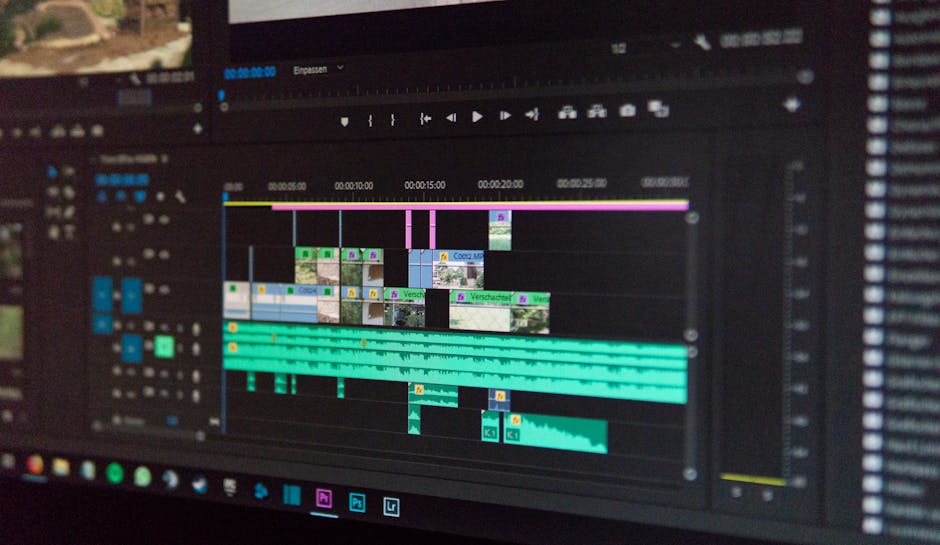
    AI video editing tools for creators
    Photo by Kyle Loftus

    This isn’t about replacing human editors. It’s about augmenting them, letting algorithms handle the tedious, time-consuming tasks. Imagine a tool that can instantly spot the best takes, remove distracting background noise, or even generate a rough cut based on your script. That’s the promise these tools deliver.

    Unleashing Creative Power: AI Video Editing Tools for Creators

    So, what exactly are we talking about when we say **AI video editing tools for creators**? At their core, these are applications integrated with artificial intelligence, designed to automate and enhance various stages of video production. We’re moving beyond simple automation; these systems actually “understand” elements within your footage.

    This understanding comes from powerful neural networks trained on millions of videos, images, and audio files. They learn to recognize faces, objects, emotions, spoken words, and even stylistic patterns. The goal is to strip away the technical barriers, making high-quality video production more accessible and less time-intensive for everyone from seasoned YouTubers to burgeoning TikTok artists. It’s about making the entire process feel less like a chore and more like pure creative flow.

    Why Every Creator is Eyeing AI in Their Workflow

    Creators are constantly juggling ideas, filming, editing, and publishing. Time is always precious. That’s why AI-powered assistance in editing has caught so many eyes. It addresses real pain points directly.

    Consider the consistent demand for content. YouTube channels, social media platforms, and online courses all need a steady stream of engaging video. Traditional editing can slow this down significantly. AI steps in to accelerate workflows, helping creators produce more, faster, without sacrificing quality.

    Another draw: achieving professional results without needing years of experience with complex software. Smart tools democratize high-end post-production, offering features like advanced color correction, audio clean-up, and motion tracking that once required specialized skills. Creators can now achieve polished looks and sounds with a few clicks.

    Under the Hood: Technical Deep Dives into AI Editing Features

    Let’s pull back the curtain on some key AI features and the tech that makes them tick. These aren’t magic tricks; they’re the result of sophisticated computational vision and machine learning.

    Automated B-Roll and Scene Selection

    One common headache is sifting through hours of footage to find the best moments or relevant B-roll. AI can handle this. Algorithms analyze video frames, looking for specific criteria like:

    • Facial Recognition: Identifying speakers, tracking their expressions.
    • Object Detection: Pinpointing specific items or actions in a scene.
    • Semantic Analysis: Understanding the context of a scene to suggest relevant cutaways or supporting footage.
    • Action Recognition: Identifying key movements or gestures that signal a story point.

    This uses convolutional neural networks (CNNs) to process visual data, learning what constitutes a “good shot” or a “relevant clip” based on user preferences and trained models.

    AI video editing tools for creators
    Photo by Jakub Zerdzicki

    Speech-to-Text and Generative Scripting

    This is a game-changer for many. AI-driven speech-to-text (STT) converts spoken words into editable text transcripts. This uses deep learning models, often recurrent neural networks (RNNs) or transformer architectures, trained on massive audio datasets to accurately transcribe various accents and languages.

    What’s next:

    • Automated Subtitles: Generating captions with precise timing.
    • Keyword Spotting: Finding specific phrases across long recordings.
    • Filler Word Removal: Automatically cutting “ums” and “ahs” to tighten dialogue.
    • Generative Scripting: Some tools can summarize conversations, generate social media captions from video content, or even suggest script improvements by analyzing tone and sentiment. This leverages Natural Language Processing (NLP) models.

    Object Tracking and Visual Effects Automation

    Manual rotoscoping and object tracking are incredibly tedious. AI streamlines these visually complex tasks. Here’s how:

    • Semantic Segmentation: AI models identify and differentiate specific objects or people from the background with pixel-level precision. This creates precise masks automatically.
    • Motion Tracking Algorithms: These algorithms follow the movement of chosen elements frame by frame, applying effects, text, or graphics that “stick” to the object.
    • Background Removal/Replacement: Tools can intelligently isolate subjects from their backgrounds, enabling quick green screen effects without an actual green screen.

    This relies on advanced computer vision techniques, often employing object detection models like YOLO (You Only Look Once) or Mask R-CNN.

    Smart Color Grading and Audio Enhancement

    Bringing a consistent, professional look and sound to your videos often takes an expert touch. AI can approximate this:

    • Color Correction/Grading: AI analyzes the visual mood, lighting conditions, and content of each scene. It can then suggest LUTs (Look-Up Tables), adjust white balance, exposure, and saturation, or even apply a consistent “look” across an entire project based on a reference image.
    • Noise Reduction: AI models are trained on vast datasets of clean and noisy audio. They can identify and filter out common sounds like hums, hisses, wind, or room reverb while preserving dialogue clarity.
    • Audio Leveling/Mixing: Intelligent algorithms adjust audio levels across different clips, ensure consistent loudness, and even perform basic mixing of dialogue, music, and sound effects.

    These functions use sophisticated signal processing combined with machine learning to identify patterns and apply corrective or enhancing adjustments.

    “AI in video editing is like having an army of highly skilled assistants working tirelessly in the background. It doesn’t replace the director; it empowers them.”

    Putting AI to Work: Real-World Creator Scenarios

    How do creators actually use these sophisticated tools day-to-day? Here are some quick examples:

    • Vloggers: Using AI to automatically remove long pauses, filler words, or awkward stutters, creating a much tighter, more engaging presentation without hours of manual scrubbing.
    • Marketing Agencies: Quickly generating multiple aspect ratios of a single advertisement, automatically adjusting text and graphic placement for vertical TikToks and horizontal YouTube pre-rolls.
    • Online Educators: Auto-transcribing lecture videos, then using AI to generate key summaries or interactive quiz questions directly from the video content.
    • Documentary Filmmakers: Employing AI to sift through vast archives, identifying specific interviewees or thematic elements across hundreds of hours of footage.

    These tools truly transform the practical side of content creation. Here’s a look at how they shift the typical editing workflow:

    Editing Task Traditional Approach AI-Assisted Approach
    Initial Footage Review Manual scrubbing, logging timecodes for good takes. AI automatically highlights best takes, identifies key subjects, flags emotional moments.
    Dialogue Cleanup Manually cutting “ums,” “ahs,” breaths, and removing background noise. AI automatically transcribes, removes filler words, and enhances voice clarity with one click.
    B-Roll & Cutaways Manually searching for relevant shots, syncing them. AI suggests relevant B-roll from your library or even stock, auto-syncing to dialogue.
    Color & Tone Consistency Manual adjustments scene by scene, using scopes for accuracy. AI analyzes overall project mood, applies consistent color grades, and suggests specific corrections.
    Repurposing Content Manually re-editing for different platforms (aspect ratios, length). AI reformats content for various platforms, auto-adjusting framing, titles, and pacing.
    AI video editing tools for creators
    Photo by Jakub Zerdzicki

    Looking Ahead: The Evolving Landscape of Smart Video

    The speed at which these **AI video editing tools for creators** are advancing is truly something to watch. We’re on the cusp of even more profound shifts. Think about AI moving beyond assisting to actively participating in the creative process.

    We could see more advanced generative AI that can create entire B-roll sequences from text prompts or even generate unique visual effects tailored to your specific video style. Future tools might offer predictive editing, anticipating your next cut or suggesting story arcs based on your raw footage. Real-time, collaborative AI editing where multiple creators and AI assistants work on a project simultaneously could become standard.

    The focus will increasingly be on hyper-personalization and intelligent content adaptation. Your AI editor could learn your specific style preferences, automate more nuanced tasks, and even help with content distribution by suggesting optimal publishing times and platforms. It’s a future where the creative vision remains human-centric, but the execution becomes almost effortlessly intelligent.

    Wrapping It Up: Your AI-Powered Creative Future

    The world of video creation is changing, and AI is a huge part of that shift. These tools empower creators to spend less time on repetitive tasks and more time on actual creativity. They level the playing field, making sophisticated production techniques accessible to anyone with a story to tell. By understanding the technical underpinnings, creators can make better choices about the tools they adopt and push their artistic boundaries further. The goal isn’t just to edit faster, but to create better, bolder, and more personal content than ever before. Welcome to your AI-powered creative future.

    ### Hashtags
    #AIVideoEditing #CreatorsTools #VideoTech #CreativeAI #FutureofVideo #EditingTools #MachineLearning #DeepDive #ContentCreation #SmartEditing #CreatorEconomy